AY 2025–2026
A LONG WALK BACK
TRACING THE EDSA PEOPLE POWER REVOLUTION
Concept by Charles Joshua T. Uy
Written by Ren Eñano
Developed by Charles Joshua T. Uy
Edited by Cheska Huang and Waleed Lugod
Designed by Vaughn Alvarez and Shami Sawalha
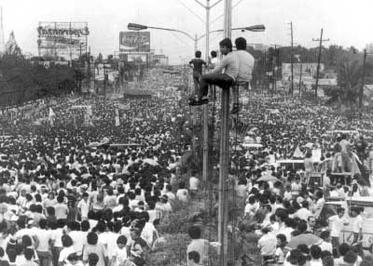
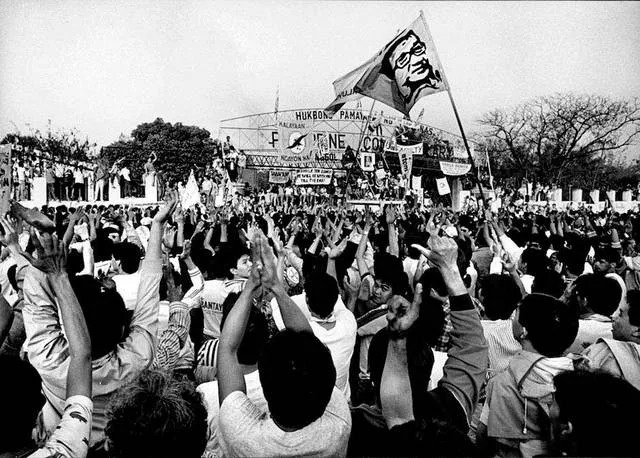
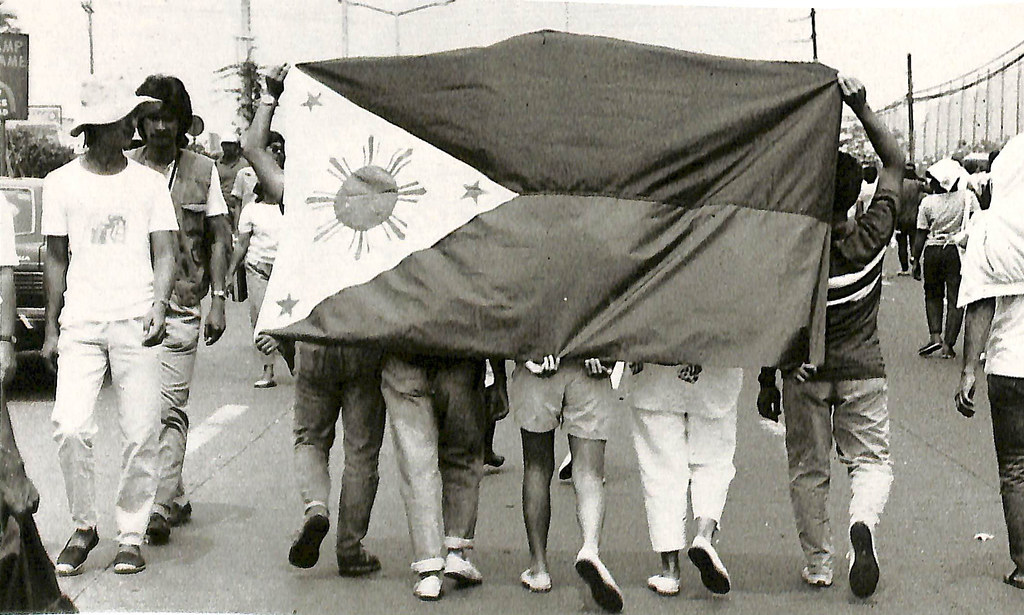
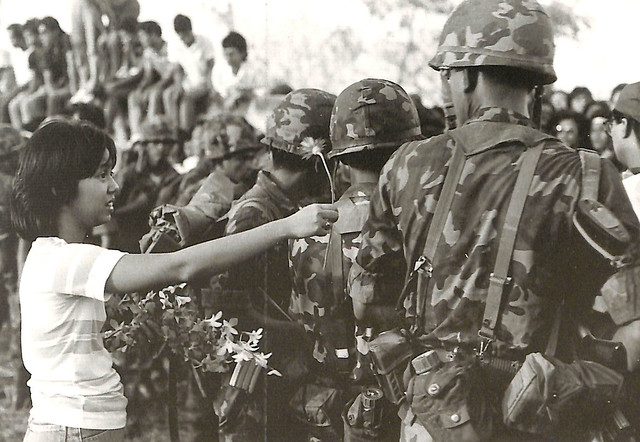
At the height of the People Power Revolution, millions stood together in defiance against the oppressive regime of former president Ferdinand Marcos Sr.
From a distance, it looked like a single unified moment.
Up close, it was built from countless steps taken.
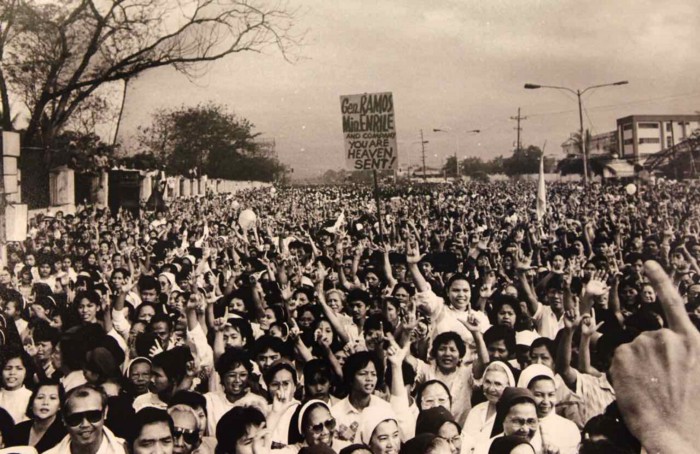
The revolution grew as workers, students, clergy joined in.
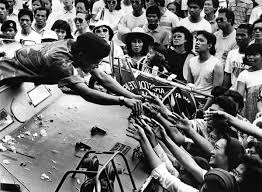
Each person was driven by personal hopes, fears, and reasons for standing at EDSA.
To walk the story backwards is to see how a nation's turning point was shaped, one step at a time, one person at a time.

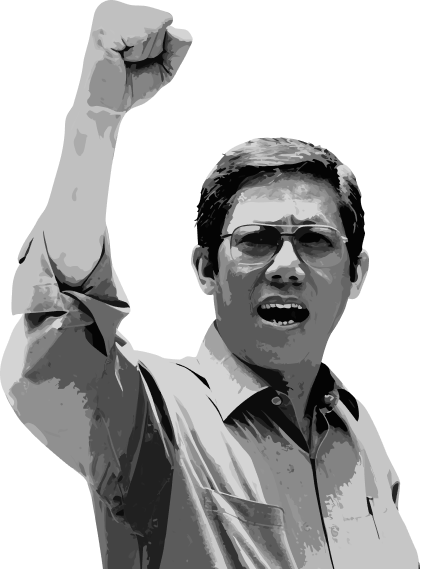
After the assassination of late senator Ninoy Aquino, Butz Aquino founded the August Twenty One Movement (ATOM).
Through movements such as Run on Aquino and Resign (ROAR) and “Tarlac tose Tarmac” run, ATOM contributed to public dissent.
In February 1986, Butz Aquino used Radio Veritas to call on ATOM members and other Filipinos to gather and march to EDSA.
Hon. Agapito “Butz” Aquino
August Twenty One Movement (ATOM)


A Catholic Church-linked radio station that played a central communication role during the EDSA Revolution.
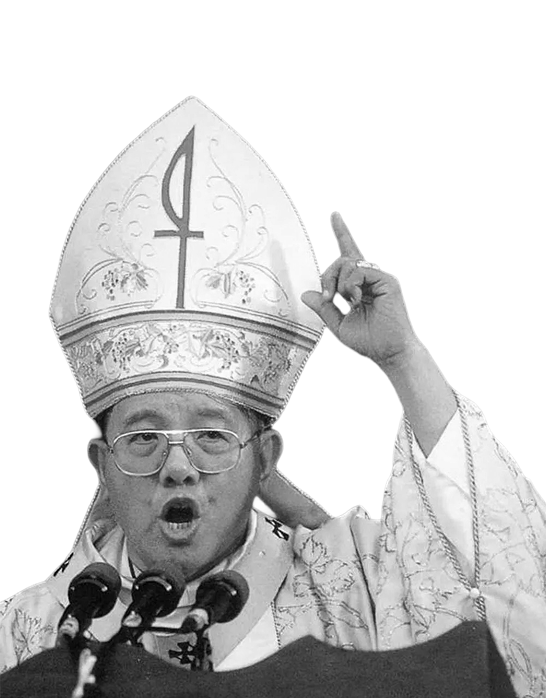
Through Radio Veritas, Manila Archbishop Jaime Cardinal Sin called on the public on February 22, 1986 to gather at EDSA.
Archbishop Jaime Cardinal Sin
Radio Veritas

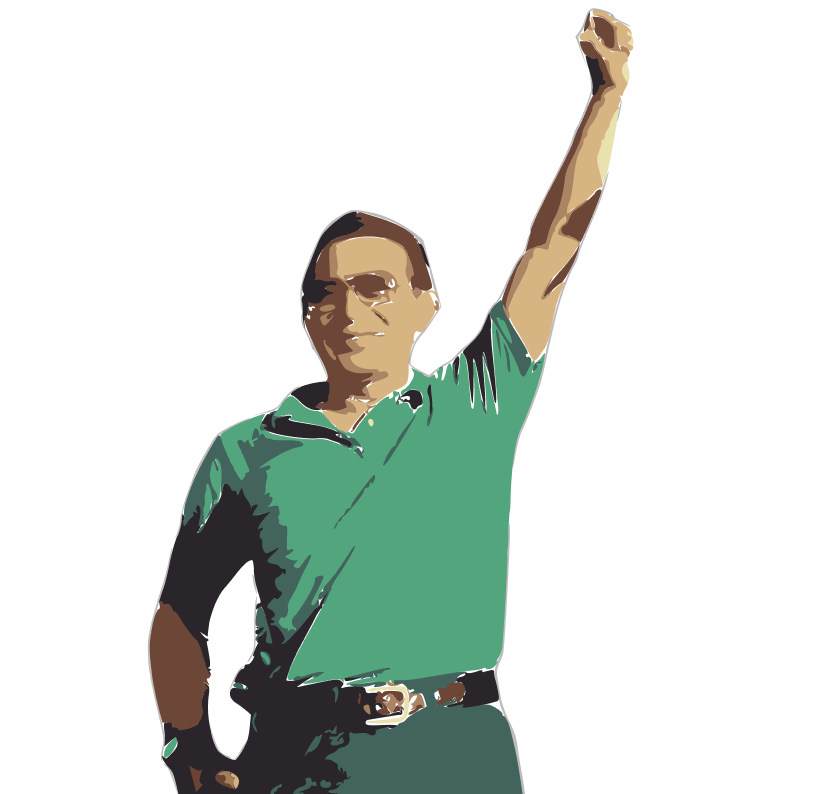
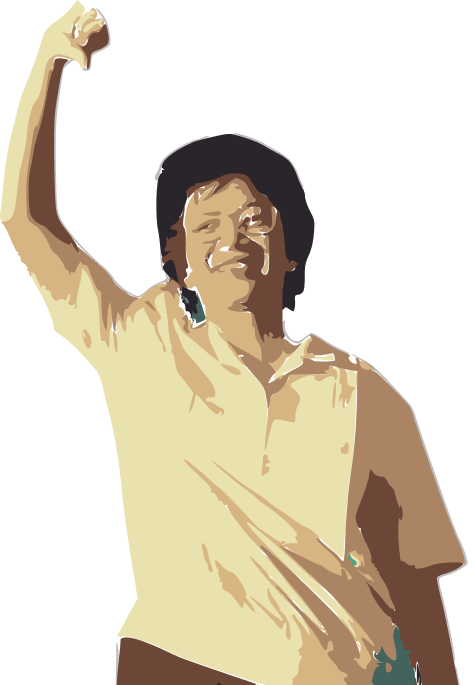
The United Democratic Organization (UNIDO) was connected to the EDSA march indirectly but decisively.
They unified the major anti-Marcos parties behind Corazon Aquino in the snap election.
When the election results were perceived as fraudulent, the failure pushed people to go to the streets, leading to the EDSA People Power March.
Cory Aquino and Doy Laurel
United Democratic Organization (UNIDO)
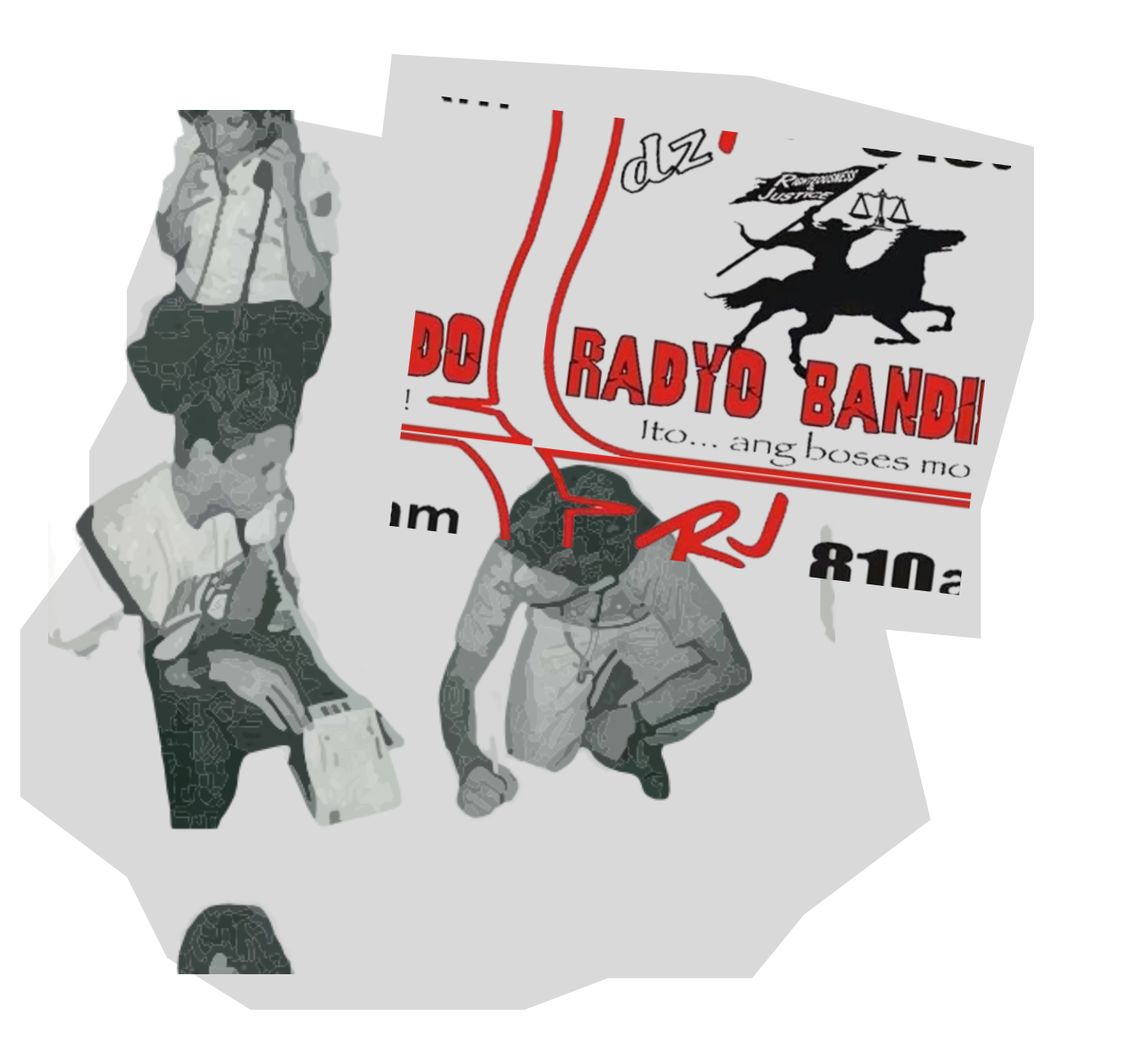
Radyo Bandido was a broadcast that sprang up after Radio Veritas was shut down.
When the main Veritas transmitter was destroyed, broadcasters continued independent reporting through the Radyo Bandido so listeners could still get updates.

Radyo Bandido

Bagong Alyansang Makabayan (BAYAN) was formed in 1985 as a broad alliance of progressive groups opposing the Marcos dictatorship.
After the disputed 1986 snap election, BAYAN called for mass protests and civil disobedience.
Its grassroots organization and mobilization helped strengthen the mass participation that converged at EDSA during the People Power Revolution.
Bagong Alyansang Makabayan (Bayan)
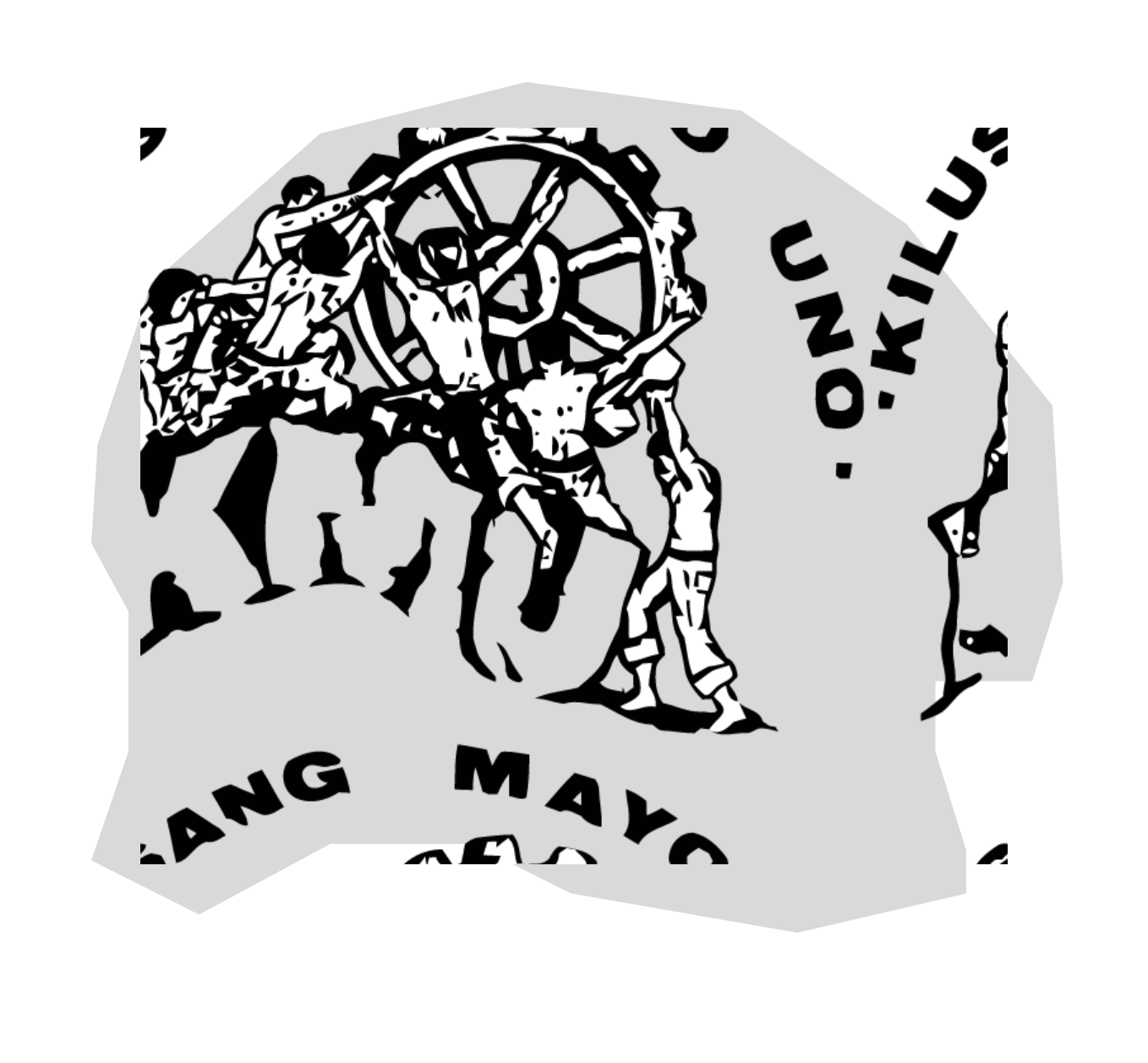
Kilusang Mayo Uno (KMU) was a militant labor center that organized workers. They pushed for strong resistance against the Marcos dictatorship long before the People Power Revolution.
Though KMU was focused on labor struggles, its activism helped build broader opposition and protest against the regime. They also participated in Anti-protests that eventually joined the larger mass demonstrations of EDSA.
Kilusang Mayo Uno (KMU)
By late February 23, an estimated 10,000 people gathered in Cubao. As the group moved towards the military camps, it grew to roughly 20,000.
Over the next two days, participation along the Epifanio de los Santos Avenue (EDSA) expanded to hundreds of thousands.
Before crowds formed, there were calls to mobilize. Radio broadcasts and word of mouth urged people to leave their homes and flood the streets. Participation depended on who heard the call and chose to respond.
At the beginning, before the calls and the crowd, power remained concentrated at Malacañang. People were already slowly growing resentful of the dictator, following the results of the snap election.
What would later converge here had not yet united. The revolution's formation was still dependent on individual choices made before momentum fully took hold.
The 1986 People Power Revolution forced Marcos Sr. out of office, restoring democratic rule and ending his two-decade hold on power. This then led to the ratification of the 1987 Constitution.
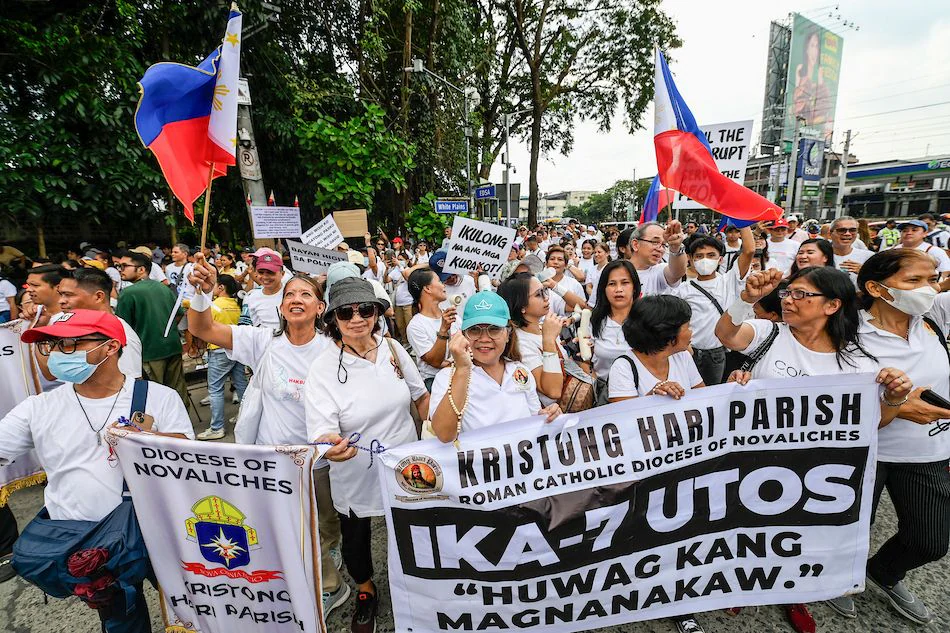
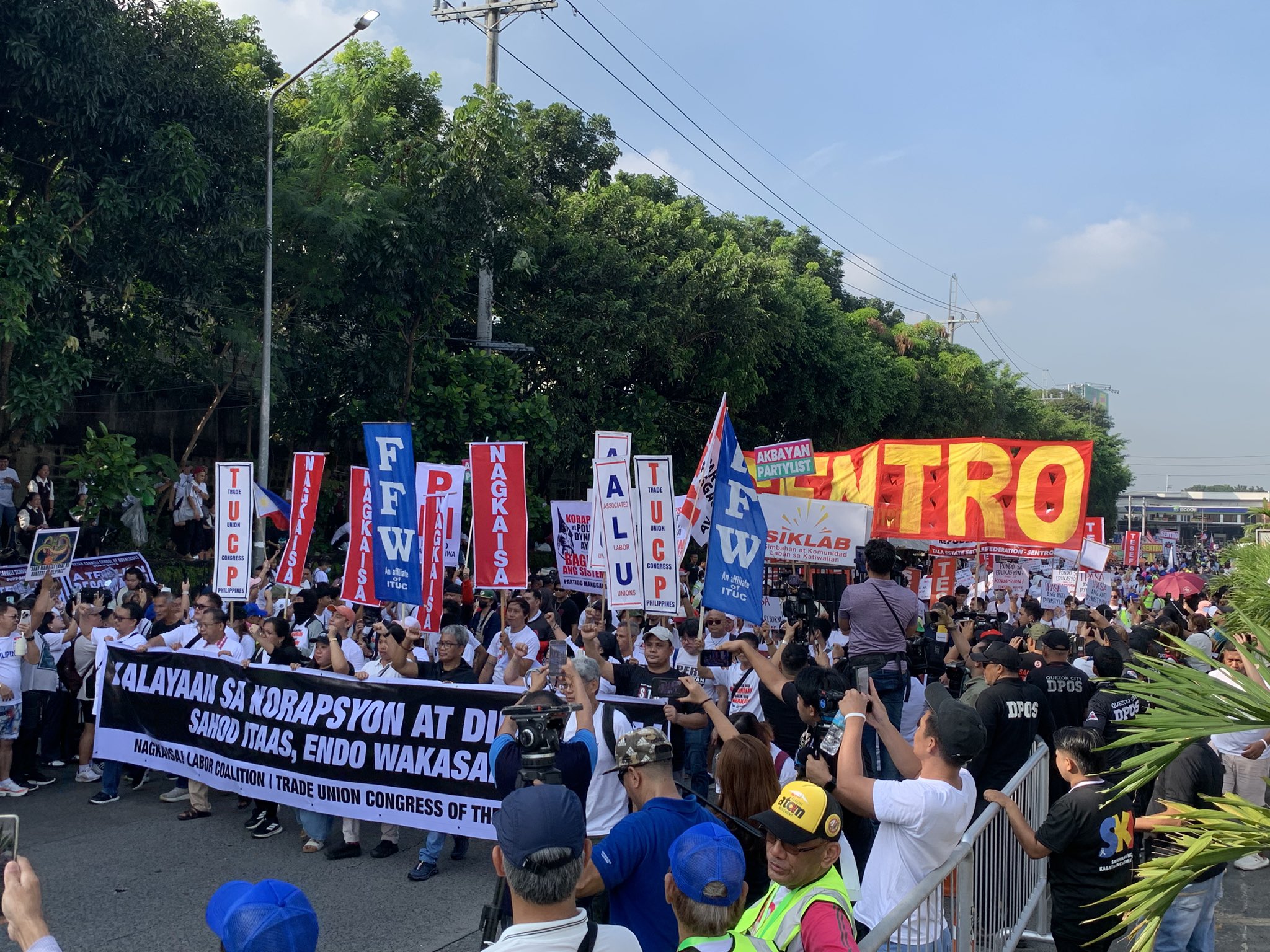
Decades later, the legacy of EDSA persists. In moments of political crisis or public dissatisfaction, Filipinos often return to the streets. In doing so, they draw on the memory of collective action to demand accountability.